

Integrate Nature-based Solutions
Labs4nature: Urban labs for nature-based transformation
A practical methodology hub for designing, facilitating and evaluating integrative Nature-based Solution processes in European cities and regions.







About the project
Labs4Nature supports practitioners in designing Nature-based Solution processes that are not only technically sound, but also socially inclusive, reflective and transformative.
The methodology connects practical interventions with governance structures and the human dimensions of change – including values, assumptions and worldviews. Through integrative labs, methods and case-based learning, Labs4Nature helps cities and regions work with nature in ways that support both people and the planet.


Why integration matters?

How Labs4Nature works?

What we deliver?
Labs4Nature methodology
The Labs4Nature methodology helps practitioners design, facilitate and evaluate integrative Nature-based Solution processes. It brings together practical tools, reflective questions and learning from European case studies to support more inclusive and transformative urban climate adaptation.
Instead of offering a fixed recipe, Labs4Nature provides a flexible framework for working with people, places and systems – from understanding the challenge, through designing labs, to choosing methods and evaluating change.

Background and methodology
Explore why technically sound Nature-based Solutions may still struggle to create lasting, inclusive change. Learn how Labs4Nature connects environmental goals with governance structures, stakeholder relationships and the human dimensions of transformation.

Integrative labs
Learn how to design and facilitate Labs4Nature labs as collaborative spaces for dialogue, reflection and co-creation. These labs help municipalities, researchers, practitioners and local stakeholders work with complex urban climate challenges together.

Methods pool
Find practical methods for stakeholder engagement, values-based reflection, dialogue and co-creation. The methods pool helps facilitators choose tools that fit their context, participants and stage of the process.

Evaluation and learning
Use evaluation tools to reflect on what changes through the process, from perspectives and relationships to capacities for action. Learn from lab experiences and case-based insights across Europe.
A methodology that works with people, systems and action
Labs4Nature is based on the idea that Nature-based Solutions need more than technical design to create lasting change.
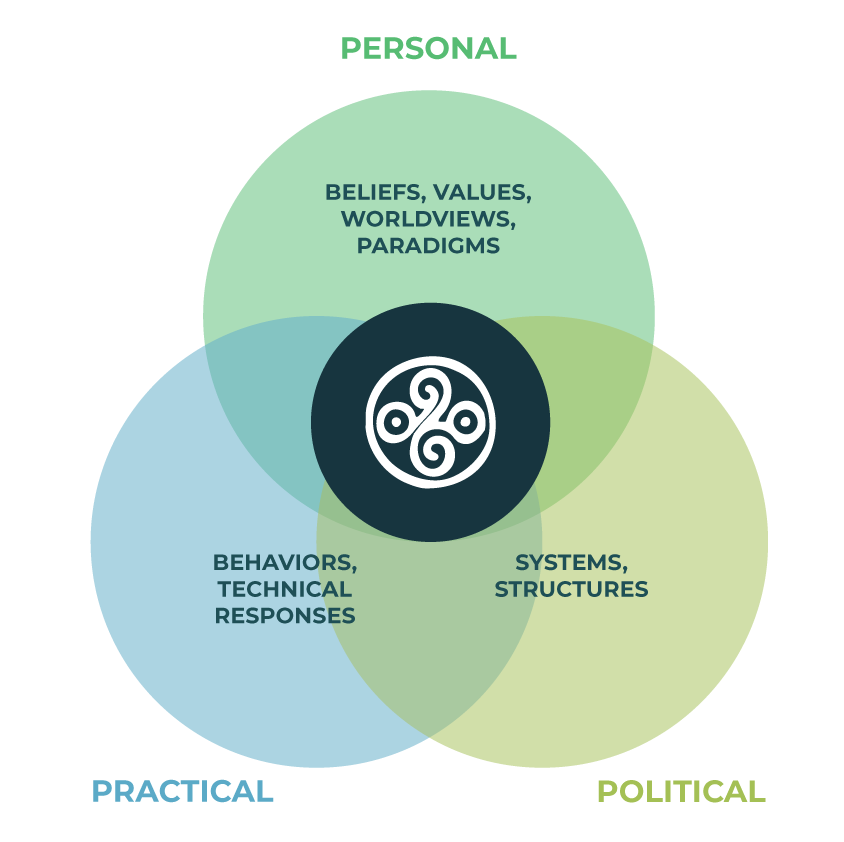
The methodology connects three dimensions of transformation:
Personal — values, beliefs, worldviews and assumptions that shape how people understand problems and solutions.
Political — governance systems, institutions, rules and structures that influence what is possible.
Practical — behaviours, tools, interventions and technical responses, including Nature-based Solutions themselves.
By working with these dimensions together, Labs4Nature helps practitioners design more inclusive, context-sensitive and transformative NbS processes.
Case studies
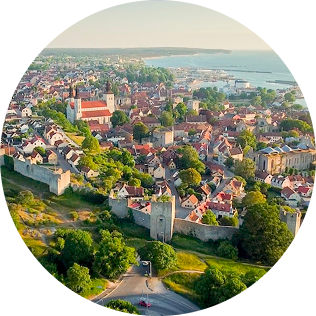
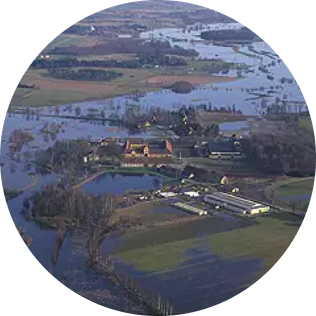
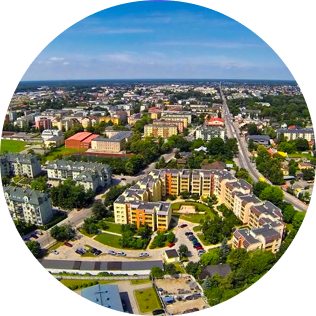
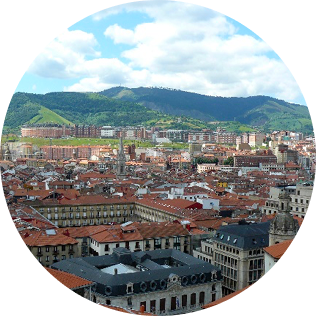
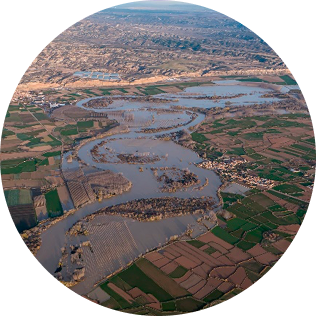
Six case study areas across Europe help us understand how integrative Nature-based Solution processes work in practice.
Each case brings together local stakeholders, municipalities and researchers through facilitated Integrative Labs to explore place-specific challenges, barriers and opportunities for more inclusive Nature-based Solutions.

Use the Labs4Nature booklet
The Labs4Nature booklet is a practical workbook for people who design, facilitate or support Nature-based Solution processes.
It brings together the core methodology, integrative lab guidance, methods, evaluation tools and learning from European case studies – helping practitioners turn ideas about transformation into concrete ways of working.
Methodology in practice
Understand how Labs4Nature connects practical action, governance conditions and human values in Nature-based Solution processes.
Tools for labs
Find guidance for designing and facilitating integrative labs, including methods, prompts, checklists and reflection questions.
Evaluation and learning
Use reflective tools to evaluate the process, capture learning and understand changes that are often difficult to measure.